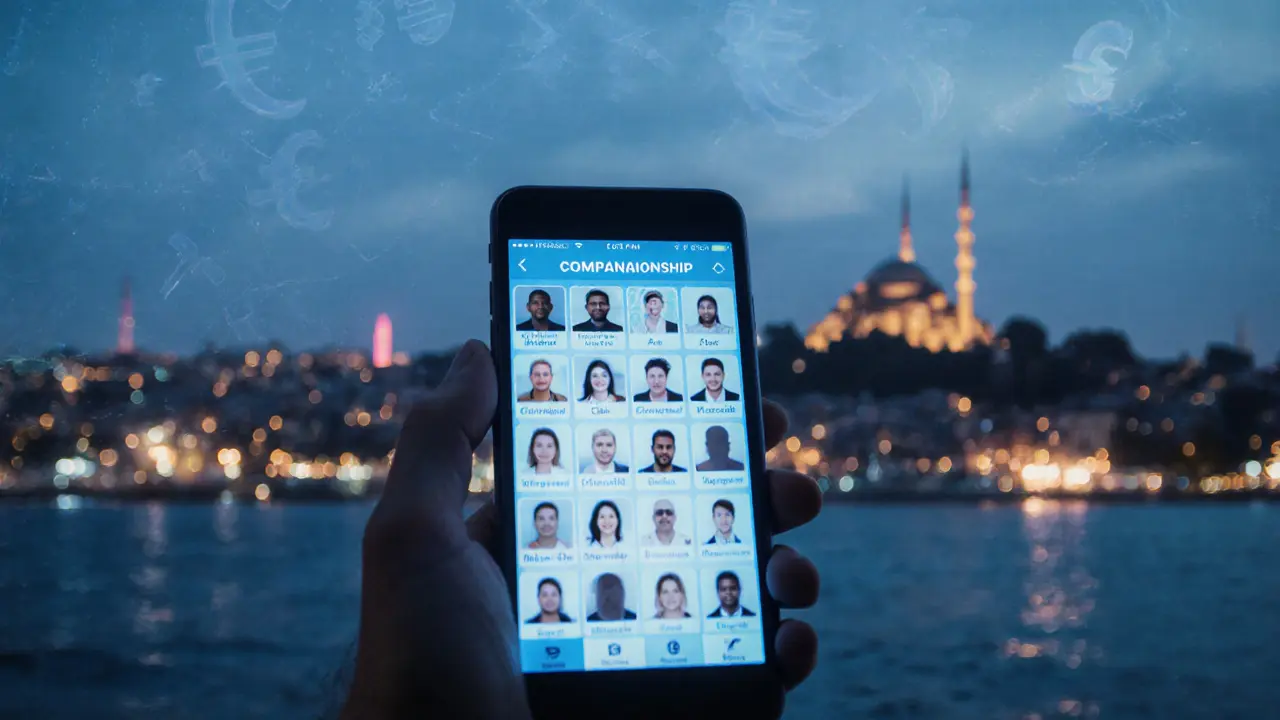
Imagine scrolling through a popular dating app and seeing dozens of profiles that claim to offer "companionship" in Istanbul, Ankara, or Antalya. Those ads are part of a massive, hidden economy that moves millions of euros every year. But how much of that escort industry Turkey is driven by free‑willing adults, and how much is fed by forced labor and human trafficking?
What the escort industry in Turkey is
The escort industry in Turkey consists of independent sex workers, small agencies, and online platforms that connect clients with providers. Most services are booked through social media, messaging apps, or dedicated websites. Cities with large tourist flows-especially Istanbul and Ankara-host the highest concentration of ads. While some providers describe their work as "companionship" or "private meetings," the line between consensual sex work and exploitation can be thin.
The legal landscape: Prostitution law and human trafficking legislation in Turkey
Turkey criminalizes prostitution in public spaces, yet it has no specific law that bans private escort arrangements. The Penal Code (Article 80) penalizes "facilitating prostitution," which is often interpreted to target brothels and pimps. In contrast, the Law on the Prevention of Human Trafficking (Law No. 6285, 2012) focuses on coercion, deception, and exploitation for sexual purposes.
Because the two bodies of law overlap, authorities sometimes treat a legitimate escort as a victim of trafficking-or vice versa-depending on the evidence at hand. This ambiguity creates a gray zone where traffickers can hide behind the veneer of a "legal" escort service.
How traffickers infiltrate the escort market
Traffickers use three main tactics:
- Online recruitment. Fake job ads promising high earnings appear on Facebook groups, Instagram, and specialized “adult” platforms. The promise of a quick, lucrative gig attracts women and migrants who often have limited employment options.
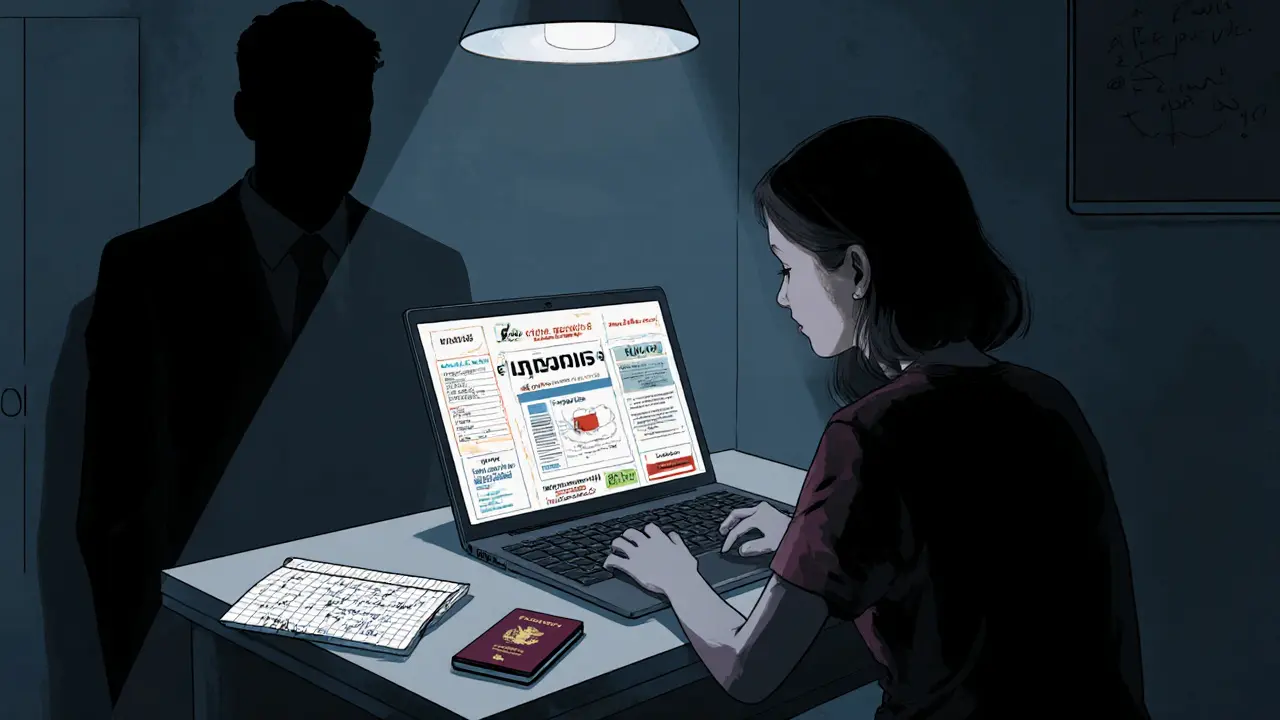
- Debt bondage. Once a victim arrives in Turkey, traffickers claim to have covered travel costs, passports, or housing. The victim then works under a "debt" that never clears because the fees are inflated.
- Coercive control. Threats-whether of legal trouble, family harm, or exposure of personal photos-keep the individual locked into the arrangement.
Because the escort industry heavily relies on digital communication, these tactics are hard to trace. A single “online platform” can host hundreds of profiles, each owned by a different trafficker using a rotating set of phone numbers and email addresses.
Spotting the difference: Consensual sex work vs. trafficking
| Indicator | Consensual Escort | Trafficking Situation |
|---|---|---|
| Work agreement | Freelance contract, clear rates, ability to quit anytime | Written or verbal debt contracts, no control over schedule |
| Movement freedom | Can travel, change agency, or stay home | Passport confiscated, monitored by a handler |
| Payment method | Direct cash or bank transfer after each service | Money taken by third party, victim receives little or nothing |
| Recruitment channel | Personal network, reputable agency | Online ads promising high pay, deceptive recruiters |
| Control tactics | Minimal, based on market rates | Threats, isolation, surveillance |
These markers are not absolute, but they give law‑enforcement, NGOs, and even clients a practical way to assess risk.
The role of NGOs and government agencies
Several NGOs-such as Mülteci ve Göçmen Kadın Hakları Derneği (MKAD) and KİVAR-run hotlines, shelters, and legal aid for victims of trafficking. The Ministry of Interior’s Human Trafficking Prevention and Investigation Unit collaborates with police to raid suspicious brothels and dismantle online networks.
International bodies also influence Turkish policy. The European Union ties funding to anti‑trafficking benchmarks, while the UN Palermo Protocol provides a legal framework that Turkey has ratified.
Data snapshot: What the numbers say
- In 2023, Turkish police opened 1,420 investigations related to sexual exploitation, resulting in 284 arrests.
- The United Nations Office on Drugs and Crime estimated that the country’s sex‑trade generates roughly $1.5 billion annually, with at least 12 % linked to forced labor.
- Surveys of migrant women in Istanbul show that 37 % entered the country seeking work and were later pushed into the escort sector under deceptive contracts.
- Online platform monitoring in 2024 identified over 9,200 active escort profiles that shared the same phone prefixes-a pattern often associated with organized networks.
These figures illustrate both the scale of the market and the hidden layer of exploitation.

What can you do? Safe practices for clients and tips for potential workers
If you’re a client, consider these steps:
- Verify the person’s contact details independently-ask for a video call before meeting.
- Never pay through opaque channels; request a clear receipt or electronic transfer.
- Report any suspicious behavior to the local police or the Hotline for Human Trafficking (155).
If you’re considering escort work, keep these checks in mind:
- Beware of recruiters who ask for an upfront “training fee” or promise a set income without a contract.
- Ensure your passport and personal documents stay in your possession.
- Connect with local NGOs that offer counseling and legal advice before signing any agreement.
Quick checklist: Red flags indicating possible trafficking
- Employer controls your phone, email, and social media accounts.
- Payments are routed through a third party who takes a large cut.
- You’re prohibited from leaving the city or meeting other clients.
- Threats are made about reporting you to immigration authorities.
- Work hours are enforced 24/7 with no break.
Frequently Asked Questions
Is the escort industry illegal in Turkey?
Prostitution in public places is illegal, but private escort arrangements are not explicitly prohibited. The law focuses on “facilitating prostitution,” which can be applied to agencies or pimps. This ambiguity means escorts can operate legally if they remain independent and avoid public solicitation.
How can I tell if a profile is run by a trafficker?
Look for red flags: the profile asks for upfront fees, promises unusually high earnings, or refuses direct contact. If the phone number changes frequently or the person never appears on video, treat it with suspicion and report it.
What government body handles trafficking cases?
The Ministry of Interior’s Human Trafficking Prevention and Investigation Unit coordinates raids and prosecutions. They work closely with the police, the judiciary, and international partners like the EU.
Are there any NGOs that help victims in Turkey?
Yes. Organizations like MKAD, KİVAR, and the International Organization for Migration (IOM) run shelters, legal clinics, and hotlines specifically for victims of sexual exploitation and trafficking.
What is the best way to report a suspicious escort ad?
Call the national anti‑trafficking hotline 155 or contact the nearest police station. Provide full details: phone numbers, screenshots, and any conversation records. The authorities can then trace the IP address or coordinate with online platform operators.
Understanding the interplay between Turkey’s thriving escort market and the darker currents of human trafficking is essential for anyone who works in, reports on, or simply encounters the industry. By spotting red flags, supporting reputable NGOs, and demanding clearer laws, we can help ensure that a legitimate escort industry doesn’t become a cover for exploitation.