
Every year, hundreds of women disappear from rural towns in eastern Turkey and reappear in Istanbul, Ankara, or Antalya-working as escorts. Some say they chose this path. Others say they were sold. The truth? It’s rarely that simple.
How the escort industry works in Turkey
The escort industry in Turkey isn’t one thing. It’s a mix of independent workers, agency-run services, online platforms, and hidden networks. Many women start by posting on social media-Instagram, Telegram, or private WhatsApp groups. They say they’re offering companionship, dinner dates, or travel partners. But the line between companionship and sex work is blurry, and the law doesn’t clarify it.
Turkey doesn’t ban prostitution outright, but it heavily regulates it. Legal brothels exist in designated zones in a few cities, but they’re rare. Most escort work happens outside the law. That means no contracts, no health checks, no police protection. If something goes wrong, the woman is often blamed. The client walks away.
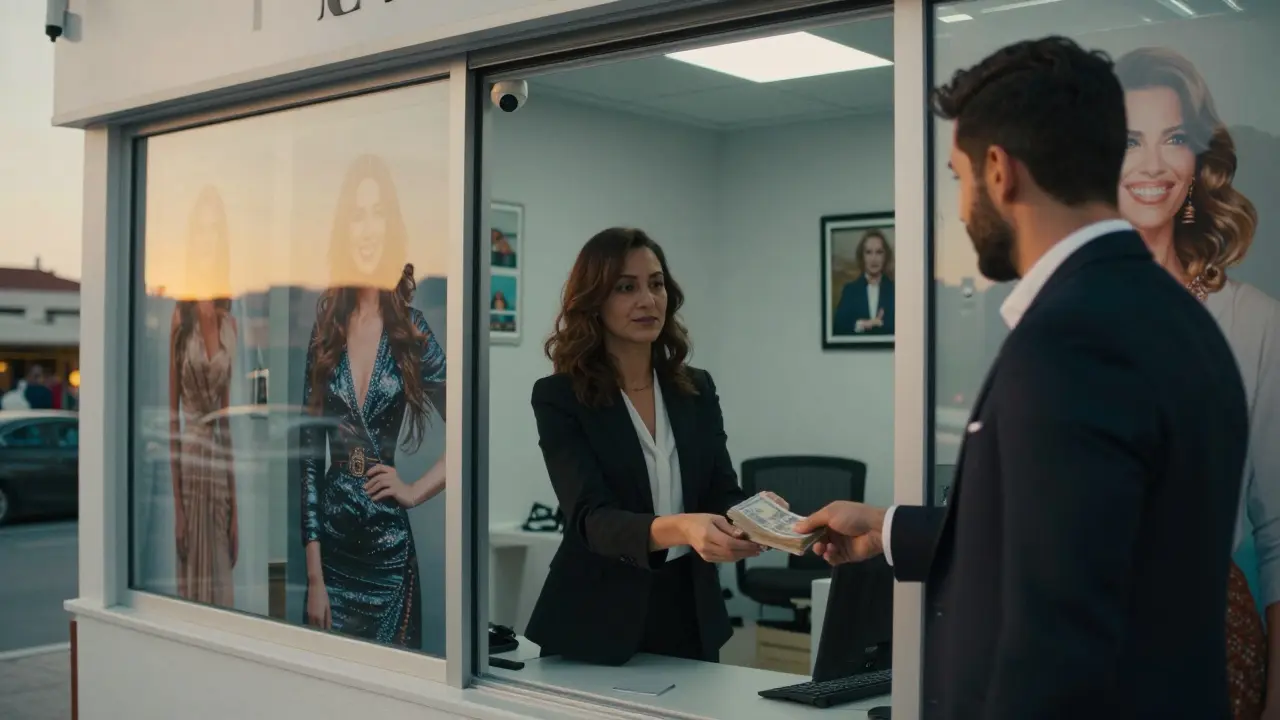
Agencies operate openly in tourist areas. They advertise "VIP companions," "luxury dates," or "discreet services." Their websites look professional. They use photos of smiling women in designer clothes. But behind the scenes, many of these women don’t get to keep more than 30% of what they earn. The rest goes to rent, "protection fees," transportation, and "management costs."
Who are the women in this industry?
Most are between 18 and 30. Many come from poor families in southeastern Turkey-places like Diyarbakır, Şanlıurfa, or Mardin. Some were forced into marriage as teenagers. Others left home after abuse or family conflict. A few were promised jobs as waitresses, nannies, or beauticians abroad-and ended up trapped in Turkey.
A 2024 report by the Turkish Women’s Association found that 62% of women working in escort services had no formal education beyond middle school. Nearly half said they were pressured into the work by partners, relatives, or former employers. Only 11% said they entered willingly, with full knowledge of what it involved.
Foreign women are also part of the picture. Many come from Ukraine, Moldova, Georgia, and Syria. They arrive on tourist visas, then overstay. Some are recruited by fake modeling agencies. Others are brought in by smugglers who charge them thousands in debt. Once they’re in Turkey, their passports are taken. They’re told they must work to pay off the "fee."
The trafficking connection
Human trafficking isn’t just kidnapping. It’s control. It’s debt bondage. It’s threats. It’s isolation.
In 2023, Turkey’s Ministry of Family and Social Services recorded 1,142 cases of human trafficking for sexual exploitation. Of those, 78% involved women who had worked as escorts. The numbers don’t include the ones who never reported it. Many don’t trust police. Others fear deportation. Some believe they’re criminals, not victims.
Organized crime groups run most of the large-scale operations. They use dating apps to find vulnerable women. They create fake profiles. They offer help-housing, food, money. Then they take control. One woman told investigators she was locked in an apartment for three weeks. She was forced to meet 10 clients a day. When she tried to leave, her trafficker showed her a video of her family-threatening to harm them if she spoke out.
Police raids happen, but they’re rare. When they do, the women are often treated as suspects. They’re questioned about their immigration status. They’re asked why they didn’t report abuse sooner. Few are offered shelter, counseling, or legal help. Most are released with no support-back onto the streets.
Why doesn’t Turkey crack down harder?
Turkey’s government says it fights trafficking. It has laws. It has task forces. It signs international agreements. But enforcement is weak. Corruption plays a role. Some local officials take bribes to ignore brothels. Others protect agencies because they bring tourism revenue.
There’s also cultural silence. Sex work is stigmatized. People don’t want to talk about it. Even NGOs hesitate. They fear backlash. They worry about being labeled as promoting immorality. So they focus on education or child protection-and leave adult women behind.
Meanwhile, the demand keeps growing. Tourists come for the beaches, the history, the nightlife. Some look for companionship. Others want something more. The industry adapts. It moves online. It uses encrypted apps. It hides in plain sight.
What happens to women who want out?
Leaving is hard. Many have no money. No ID. No family to go back to. Some have children they can’t afford to raise. Others are afraid of revenge from traffickers.
There are a few safe houses run by NGOs like the Turkish Women’s Union and the International Rescue Committee. But they’re full. Waitlists are months long. Some women are turned away because they don’t fit the "perfect victim" mold-because they didn’t cry, because they worked willingly at first, because they still contact their clients.
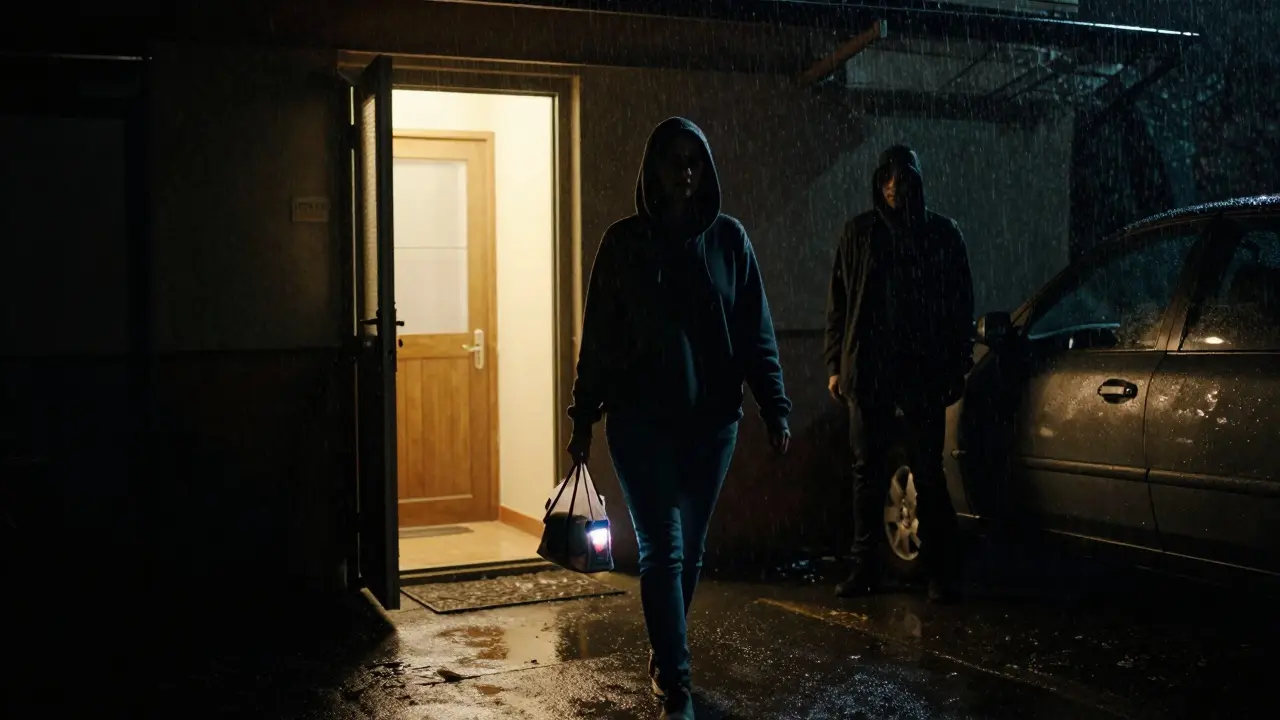
One woman, Fatma, escaped after two years. She saved 800 Turkish lira-about $25-by hiding coins in her shoe. She walked out during a client’s birthday party, slipped past the doorman, and took a bus to a neighboring city. She slept in a park for three nights. A stranger gave her a sandwich. Another gave her a phone number. That’s how she found a shelter. She’s now studying to be a seamstress. But she still gets threatening messages. She doesn’t sleep with the lights off.
Is there a better way?
Some activists say the answer is decriminalization. If sex work were legal and regulated, women could report abuse without fear. They could demand safe conditions. They could access healthcare and legal aid. Countries like New Zealand and the Netherlands have shown that decriminalization reduces violence and exploitation.
Turkey hasn’t tried it. Instead, it pushes raids and arrests. That pushes the industry deeper underground. It makes women more vulnerable.
Others argue for stronger labor protections. If women could register as independent contractors, they’d have rights. They could form unions. They could demand fair pay. But the government sees escort work as immoral-not economic.
Until then, most women are stuck. They work because they have no other choice. They don’t see themselves as victims. They see themselves as survivors.
What you can do
If you’re visiting Turkey and considering hiring an escort, ask yourself: Who is this person? How did they get here? Are they free to leave? Are they being paid fairly? Are they scared?
Don’t assume they chose this. Don’t assume they’re fine. Most won’t say if they’re trapped. They’ve been taught to stay quiet.
If you’re concerned about someone you’ve met, contact the Turkish Human Rights Foundation’s 24-hour hotline. If you’re a local and know of a woman being controlled, report it-even if you think it’s "not your business."
Change doesn’t come from laws alone. It comes from people refusing to look away.
Is escort work legal in Turkey?
Prostitution itself isn’t illegal in Turkey, but most forms of escort work are not protected by law. Organized brothels are only allowed in specific zones, and even then, they’re tightly controlled. Most escort services operate illegally, meaning workers have no legal rights, no access to healthcare, and no protection from abuse. Clients are rarely prosecuted, but workers face arrest, fines, or deportation.
How common is human trafficking in Turkey’s escort industry?
According to Turkey’s Ministry of Family and Social Services, over 75% of confirmed human trafficking cases for sexual exploitation between 2020 and 2024 involved women who were working as escorts. Many of these women were recruited under false pretenses-offered jobs as models, waitresses, or nannies-then forced into sex work. Foreign women from Ukraine, Syria, and Georgia make up a large portion of these cases. Real numbers are likely higher, since many victims never report due to fear, shame, or lack of trust in authorities.
Do escort agencies in Turkey exploit workers?
Yes, many do. Agencies often take 60-80% of earnings under the guise of "rent," "transportation," or "management fees." Women are sometimes forced to work long hours, meet a set number of clients daily, and live in company-provided housing where they’re monitored. Their passports are frequently confiscated. Those who try to leave face threats, violence, or being reported to immigration authorities. These are classic signs of human trafficking, even if the agency calls itself a "companion service."
Can women in the escort industry get help if they want to leave?
There are shelters and NGOs that offer help, like the Turkish Women’s Union and the International Rescue Committee. But resources are limited. Waitlists can be months long. Many women are turned away because they don’t fit the image of a "perfect victim"-they may have worked willingly at first, or they still have contact with their clients. Legal aid is rare. Without documentation or family support, leaving is extremely difficult-even if they want to.
Why doesn’t Turkey legalize and regulate escort work?
Turkey’s government views sex work as morally unacceptable and links it to social decay. Political leaders avoid the issue for fear of backlash from conservative groups. Even though decriminalization has reduced violence in countries like New Zealand, Turkey hasn’t tested this model. Instead, it relies on raids and arrests, which push the industry underground and make women more vulnerable. There’s little public pressure to change, and few politicians are willing to lead the conversation.