Escort Industry in Turkey: Is It Fueled by Human Trafficking?
Explore how Turkey's escort market operates, its legal gray zones, and the link to human trafficking with data, tips, and expert insight.
Devamını OkuWhen talking about sex work, the range of paid adult companionship services that people exchange for money, gifts, or other benefits. Also known as adult companionship, it touches many parts of the economy and culture. Escort industry, a segment of sex work that focuses on short‑term, often premium, companionship for events, travel, or personal moments is the most visible slice in Turkey. Together they form a network where demand, pricing, and safety constantly shift.
Economic swings drive the whole picture. When GDP slows or the lira drops, clients look for cheaper options, while agencies adjust rates to stay afloat. That same pressure pushes many providers toward digital platforms, online services and apps that match escorts with clients, offering profiles, reviews, and secure payment routes. These tools make connections faster and provide a layer of anonymity that was hard to get in the old street‑based model. In short, digital platforms enable safer connections in sex work and reshape how the market operates.
But tech alone doesn’t solve everything. The legal framework, the set of laws, regulations, and court rulings that define what is allowed, how contracts are enforced, and what penalties exist in Turkey heavily influences pricing and risk. Recent policy tweaks have tightened licensing for agencies, which means many independent workers rely on online verification to prove legitimacy. When the legal landscape tightens, providers often raise prices to cover extra compliance costs, showing how legal framework influences pricing in sex work.
Tourism adds another layer. Coastal cities like Antalya and historic hubs like Istanbul see spikes in demand during peak travel seasons. The tourism sector, the industry that attracts domestic and foreign visitors, offering hotels, nightlife, and cultural experiences creates a steady flow of clients seeking companionship, which in turn fuels the escort market. This relationship means that a bustling tourist summer can boost earnings for many workers, while quieter months may force them to pivot to online services.
Culture and society don’t stay out of the conversation either. Popular TV shows, music videos, and social media trends often portray escorts in glamorous ways, sparking curiosity among younger audiences. At the same time, loneliness studies show that regulated escort services can provide emotional support for isolated individuals, adding a mental‑health angle to the discussion. These cultural cues shape public perception and, indirectly, the demand patterns we see across the country.
Below you’ll find a curated set of articles that dig deeper into each of these angles. From economic analyses and legal guides to digital platform reviews and tourism impact studies, the collection gives you practical insights and real‑world examples. Whether you’re new to the topic or looking for the latest trends, the posts ahead cover the breadth of sex work in Turkey and what’s shaping its future.
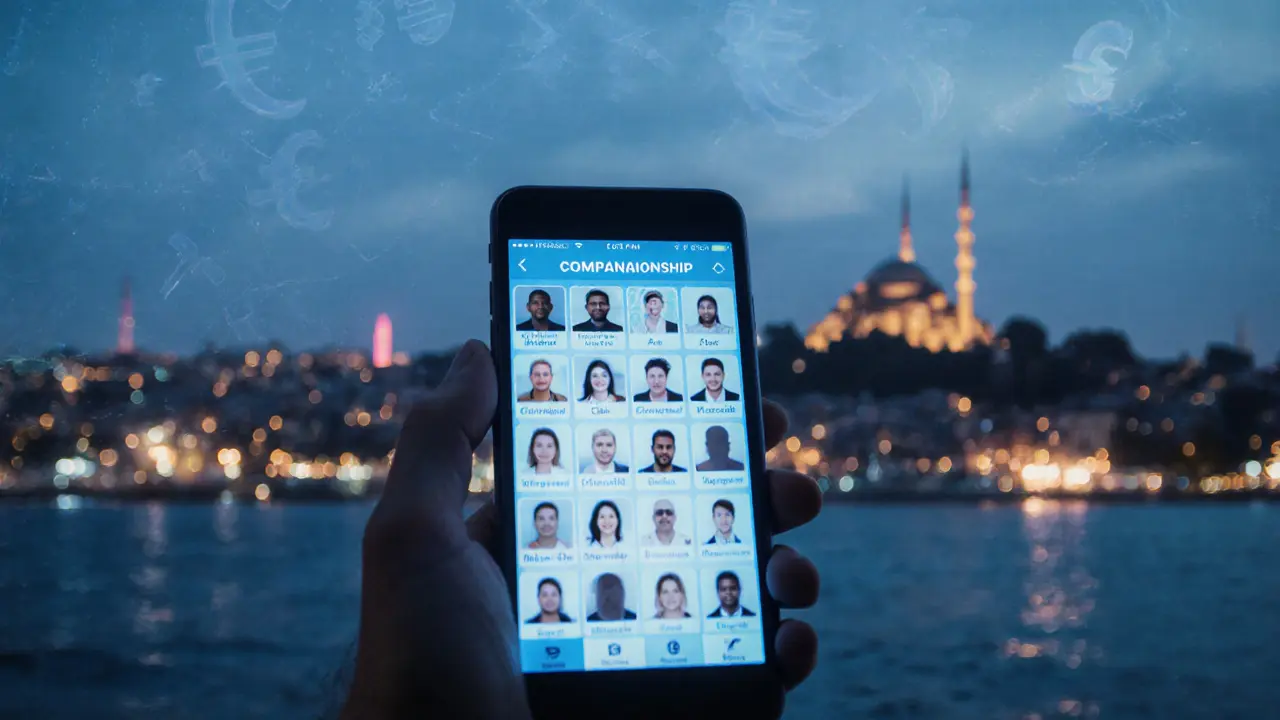
Explore how Turkey's escort market operates, its legal gray zones, and the link to human trafficking with data, tips, and expert insight.
Devamını Oku